
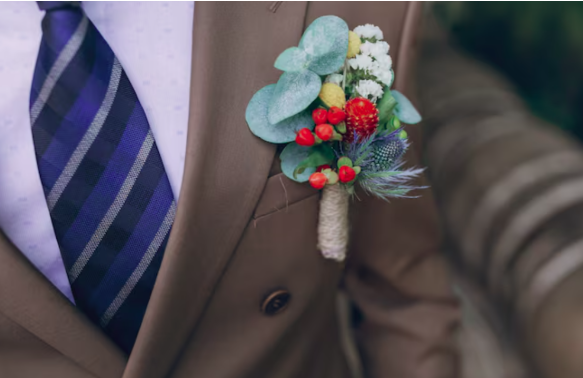

The selection of formal attire for a marriage ceremony involves more than just picking a well-fitted suit. Accessories play a pivotal role in defining the overall aesthetic and mood of the event. Among these, the neckwear serves as a focal point, drawing attention to the face and tying the entire ensemble together.
Choosing the right wedding ties requires careful thought regarding color, texture, and the level of formality required for the occasion. By following a structured approach to selection, you can ensure that the wedding party looks cohesive and sophisticated on the big day.
Matching the Color Palette and Theme
The most important consideration is how the accessory complements the overall color scheme of the event. Usually, the groom and groomsmen will select neckwear that aligns with the bridesmaid dresses or the floral arrangements.
When browsing for wedding ties, it is helpful to have fabric swatches from the other wedding attire to ensure a perfect match or a complementary contrast.
Whether you opt for classic neutrals or bold jewel tones, the color should enhance the visual harmony of the photography and the venue decor.
Considering Fabric and Texture
The material of the tie significantly influences how light reflects off it and how it feels to the touch. Silk is the traditional choice for high-end formal wear due to its natural luster and smooth finish. However, for a rustic or outdoor setting, matte fabrics like linen or wool-silk blends may be more appropriate.
High-quality wedding ties often feature a heavy interlining, which helps the garment maintain its shape and produce a substantial knot. Texture can add depth to a plain suit, making the outfit look more intentional and curated.
Deciding Between Different Styles and Patterns
Style choices generally range from traditional long ties to sophisticated bow ties. Long ties offer a modern, versatile look that suits most body types, while bow ties lean toward a timeless, black-tie aesthetic.
Patterns also play a role; solid colors are safe and elegant, but subtle patterns like micro-dots, paisley, or floral prints can add a touch of personality.
When selecting wedding ties with patterns, it is vital to ensure they do not clash with the shirt or suit fabric, maintaining a balanced and polished appearance.
Choosing the Right Width and Length
The proportions of your neckwear should match the lapels of your suit and your overall physique. Slim ties are modern and work well with narrow lapels and athletic builds, whereas standard widths are more classic and suit traditional tailoring.
It is also important to ensure the length is appropriate so that the tip of the tie rests just at the belt line. Selecting properly proportioned wedding ties ensures that the groom and his attendants look sharp and well-proportioned in every wedding photograph.
Alignment with the Level of Formality
The time of day and the venue dictate the required level of formality. An evening gala at a luxury hotel demands a different approach than a morning ceremony in a garden. For formal evening events, darker colors and high-sheen fabrics are standard.
Conversely, daytime events allow for lighter shades and more playful textures. Understanding the dress code of the event will guide you in narrowing down your choices, ensuring that the neckwear is appropriate for the environment and the expectations of the guests.