
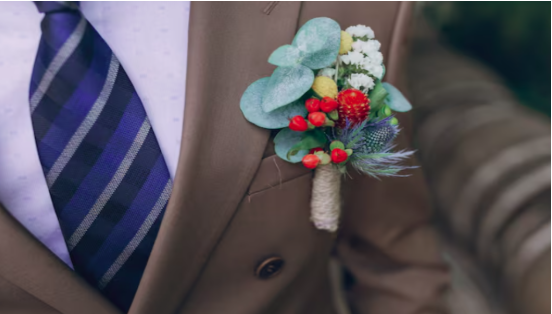

The aesthetic success of a wedding ensemble often relies on the subtle interplay of various accessories. While the suit or tuxedo provides the structural foundation, it is the smaller details that infuse a look with personality and sophistication.
Among these, the neckwear stands as a primary focal point, drawing the eye toward the face and completing the upper body silhouette.
Choosing the right wedding ties can transform a standard formal outfit into a curated expression of a groom’s individual identity and the overall theme of the celebration.
Defining the Focal Point of Formal Attire
A necktie serves as the central anchor of a gentleman’s outfit, bridging the gap between the shirt collar and the lapels of the jacket. It provides a vertical line that adds height and structure to the torso, creating a balanced and polished appearance.
When selecting wedding ties, it is important to consider how the color and texture will interact with the fabric of the suit. A well-chosen tie does not just match the outfit; it enhances the richness of the surrounding materials, ensuring the groom looks distinguished in both person and photographs.
Reflecting the Wedding Theme through Color
Color is one of the most powerful tools for establishing a cohesive visual narrative on a wedding day. Whether the palette is based on soft pastels for a spring garden ceremony or deep jewel tones for a winter ballroom event, the tie offers an opportunity to mirror these choices.
By integrating wedding ties that align with the floral arrangements or the bridesmaid dresses, a couple can create a unified aesthetic. This attention to detail demonstrates a high level of planning and contributes significantly to the formal atmosphere of the occasion.
Expressing Personality through Patterns and Textures
While solid colors offer a safe and traditional choice, patterns allow a groom to showcase his unique character. From intricate paisleys and classic stripes to modern geometric motifs, the variety available is nearly endless.
Texture also plays a vital role in defining elegance; a matte wool tie suggests a rustic or vintage charm, while a high-sheen silk tie denotes peak formality.
Strategically using wedding ties with specific textures can help differentiate the groom from the groomsmen, subtly signaling his leading role in the day’s events.
Achieving Proportional Balance in Tailoring
The dimensions of a tie must be carefully calibrated to the wearer’s physique and the cut of the suit. A tie that is too wide can look dated, while one that is excessively thin may appear too casual for a formal setting. The goal is to match the width of the tie to the width of the jacket lapels.
This geometric alignment creates a sense of harmony and shows that the wearer understands the nuances of classic tailoring. This precision is what separates an average look from one of true sartorial excellence.
The Significance of High-Quality Craftsmanship
The way a tie drapes and holds a knot is a direct reflection of its construction. Quality neckwear features a robust interlining that prevents the fabric from twisting or sagging throughout the day.
A tie that maintains its shape from the morning ceremony through the final dance of the evening is essential for a sharp appearance.
Investing in superior wedding ties ensures that the knot remains crisp and the dimple stays centered, providing a reliable sense of confidence for the groom during his most important moments.