

When it comes to getting a tattoo, choosing a clean, reliable, and professional tattoo studio is one of the most important steps in protecting your health and ensuring a positive experience.
A well-maintained environment prevents infections, cross-contamination, and long-term complications. Understanding how a tattoo studio maintains hygiene and safety can help you make a confident and informed decision.
1. Strict Sterilization of Tools and Equipment
One of the most essential hygiene practices in a tattoo studio is the sterilization of tools. Needles, grips, tubes, and other reusable equipment must be properly sanitized using professional-grade sterilization machines, such as autoclaves. These devices use high-pressure steam to eliminate bacteria, viruses, and pathogens.
Additionally, many studios choose to use disposable items like single-use needles and ink caps to further reduce the risk of contamination. By maintaining strict sterilization methods, a professional tattoo studio ensures every session begins with clean, safe tools.
2. Maintaining a Clean and Controlled Work Environment
A hygienic work environment is another major factor in ensuring safety. A high-quality tattoo studio keeps its stations organized, disinfected, and clutter-free. Surfaces that come into contact with customers, such as chairs, tables, and armrests, are wiped down with hospital-grade disinfectants before and after each appointment.
Proper ventilation also plays a role in a safe workspace by removing airborne particles and maintaining fresh air circulation. When a studio consistently keeps its environment clean, clients feel secure and protected throughout the tattooing process.
3. Use of Personal Protective Gear
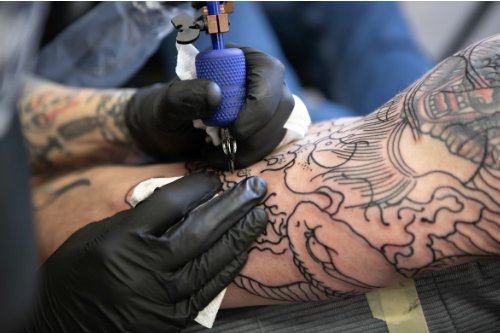
The use of protective gear is an important practice in preventing cross-contamination. Tattoo artists typically wear gloves, masks, and sometimes face shields when needed. Gloves are changed regularly—especially after touching any item that is not sterile.
A professional tattoo studio also ensures that artists are trained in safe handling procedures, such as covering equipment with protective films and using barriers to prevent bacteria from spreading. This level of precaution minimizes the risk of infection and keeps both the client and artist safe.
4. Proper Skin Preparation and Aftercare Guidance
Skin preparation is a critical step before the tattooing begins. Tattoo artists clean and disinfect the skin to remove oils, dirt, and bacteria. This prevents harmful microorganisms from entering the body during the process.
Once the tattoo is complete, the artist provides detailed aftercare instructions to help protect the healing skin. This may include keeping the tattoo moisturized, avoiding direct sunlight, and using antibacterial ointments. A responsible tattoo studio understands that aftercare is just as important as the tattooing process itself.
5. Licensing, Training, and Safety Protocols
A reputable tattoo studio follows proper licensing requirements and ensures that all artists receive professional training in safety, health standards, and tattoo techniques. Many states and regions require tattoo artists to complete courses in bloodborne pathogens, first aid, and sanitation.
These certifications demonstrate that the studio takes safety seriously and understands the importance of maintaining high-quality standards. A trained and knowledgeable staff helps create a secure environment where clients can trust the process and feel at ease.
Final Thoughts
Choosing the right tattoo studio is not just about the artwork—it’s about your health and overall experience. A clean, well-managed environment ensures that every step of the tattooing process is handled with professionalism and care.
By focusing on sterilization, cleanliness, protective gear, proper skin preparation, and trained artists, a tattoo studio can guarantee a safe and hygienic experience for every client.